Year in Review 37
I love birthdays.
For the past decade I've done a review twice a year and set goals for the year ahead. One lands in December. The other lands around my birthday, July 18, and I start it about two weeks out. Last December the reflection stretched across the whole month, which tells you something about the year I was having.
Most of life is swimming. Head down, arms turning over, working hard just to stay afloat. That's not a complaint — it's the job. But you can swim for years without ever looking up. These reviews are the moment I pull my head out of the water and ask one question: do I like where this is going?
Year 36 gave me three things: death and grieving, making time, and retreating to go forward. All themes that got revisited this year.
Here's what 37 gave me.
Long-Term Right, Short-Term Pain
This theme kept showing up, uninvited, in every domain of my life.
Surgery on my pec meant nine to twelve months of rehab. It meant not picking up my own children for a stretch. It meant losing my training, which is also my outlet, my stress valve, and a large chunk of my social life. The alternative was permanently losing roughly 40% of the strength in my dominant arm. When you write it out like that, it isn't a close call. It just felt like one, because the cost was due immediately and the benefit wasn't due for a year.
Having uncomfortable conversations works the same way. They hurt on the day. They tend to produce more peace for both parties over the long run — and they cost less than the resentment that grows in the space where the conversation should have been.
Moving the practice to a new building, renovating it, and coordinating the move while everything else was on fire is the same trade one more time. Short-term pain. A bet on better long-term positioning.
I've written before that most people default to making no decision at all. They keep doing what they've been doing because nothing catastrophic has happened yet. There is a point in every one of these decisions where you simply want the easy thing. Sometimes that's fine. Sometimes it's the first turn of a downward spiral. What helped was giving each decision a hard deadline and forcing the call by that date, even when I didn't feel ready. The information was never going to get better. It rarely does.
There's a grieving process buried in this that I didn't expect. There's no clearing up everything. You solve the problems of one stage of life and receive the problems of the next.
The only real defense I've found is gratitude and presence, practiced deliberately. Prayer, reflection, actually sitting still long enough to notice what's good about the stage I'm in right now. Without that, the default drift is toward resentment. Not dramatic resentment — just a slow souring. Negativity is the resting state. Gratitude is the intervention.
Time
I wrote an article this year called The Clock, about the finite number of blocks of time we get with our children. It was easy to write and hard to live.
My wife works in a world where time is still stranger. In the NICU, some parents get a few minutes holding their living child. That's the whole allotment.
The greatest professional blessing I have is that my patients let me borrow their hindsight. I get to sit with people who have already arrived where I'm headed, and they tell me — usually without meaning to — what they'd trade to do it again. Their regrets and their consequences are my best teachers. It is an enormous unearned advantage to be able to think with the end in mind. Biographies written or through conversations are the hack, just read and/or listen.
Time moves faster every year. Everyone told me it would, they were correct.
Learning to Be Served
I keep coming back to The Servant Song. There's a line in it that asks for the grace to let someone else serve you — not just the grace to serve. That's the line I can't get past.
I don't like being a burden. Call it stubbornness, call it ego, it amounts to the same thing. This year didn't give me a choice. The surgery, the building, the general accumulation of it all meant leaning on my spouse, my friends, and my family in ways I'd have refused a year ago.
Here's the part that undid me: they thanked us. Family members thanked us for letting them help.
Which means I'd spent years generating pain I didn't need to have, by refusing to ask. Asking for help takes humility, and humility is not a thing I'm naturally long on. That song is close to my whole philosophy of life in one sentence: we walk this road together.
The Scorecard: 37
I grade this every six months.
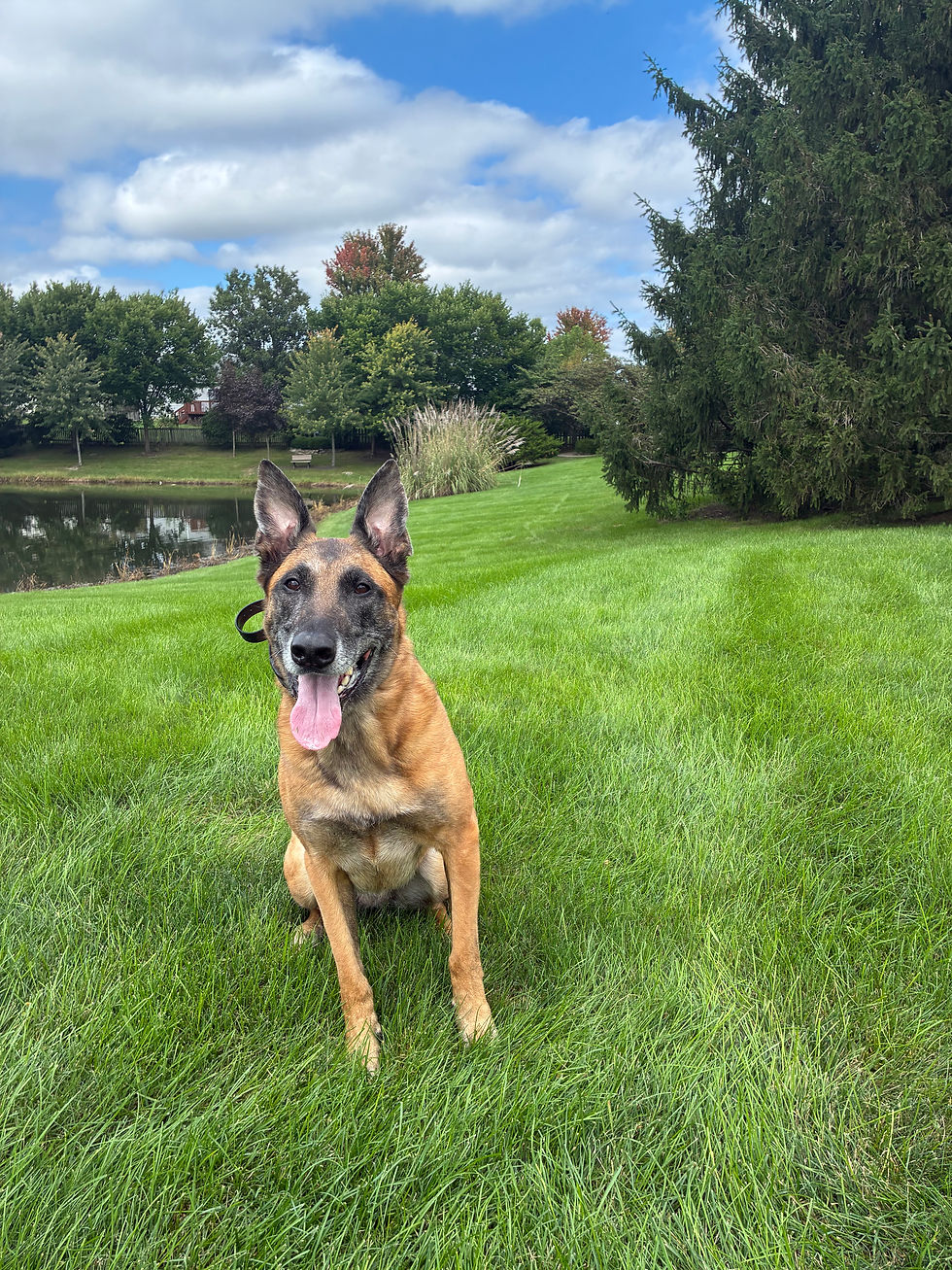
Relationships — B. With my spouse, consistent dating went well for most of the year and fell off in the month after surgery. A plan exists to restart it. We took a trip without the kids for a wedding and spent it hiking and walking, which turned out to be the best reconnection we've had in a while. The plan for the next six months is to resume regular date nights and seriously consider a twice-yearly getaway. With the kids, it's remarkable how much changes in six months — the younger one is starting to talk. I failed the goal of consistent one-on-one time with each of them, though we did more as a whole family than in the prior period. The dog got more consistent time with me in the mornings. The kids are aging her quickly.
Social — B. Jiu-jitsu was excellent until I tore the pec. The unsolved problem is how to get to the gym consistently when I can't get on the mats. Friendships were up and down, which is the same way I'd describe them most years, and the fix is the same one I keep declining to implement: structure. I have a core group from medical school I didn't meet with nearly enough. Call frequency dropped across the board. Other friends still need a regular tempo so they stay woven into our family's life rather than orbiting it.
Joy — B. I ran a gratitude journal for three months and then drifted into more traditional journaling. Either way, the end-of-day reflection was a net positive. It forced me to look at what actually got done instead of what didn't, which is the entire ballgame for mood.
Health — B-. Diet and GI health continued to improve, and my nutritional routine was more solid than it's been. Body composition got worse all in the past month, which tracks directly with training frequency dropping. Sleep remains the single biggest bottleneck in my life. There were short stretches of going to bed earlier, and everything improved during them — which is exactly what I'd tell a patient, and exactly what I then failed to sustain. Movement was heading in the right direction for six months before the injury reset it. It's now a matter of rehabbing the pec while somehow holding onto general fitness.
Career — B-. As a physician, I finished multiple CME courses early in the year and refocused on professional development, including building a teaching curriculum. I've had more time than usual to think about how to provide better care, and I'm excited about what we're rolling out next. As a business owner, another six months of growth and another six months of failing to protect my calendar for deep work. Time is the bottleneck for everyone; the difference is whether you defend it. I didn't. Military engagement improved slightly from a low base.
Creativity — A. The clear standout. Weekly blogs, building the business, starting to record podcasts, teaching. These outlets did more for my mood than anything else I did this year, including the things that were supposed to.
Finances — B. The office building purchase dominated everything. It has been a painful six months on paper. It's also the same trade as the surgery: cost now, probable benefit later. The tracking is good and the long-term plan is intact.
Education / Personal Development — A. Consistent routine with podcasts and courses. Boring and effective, which is usually the same thing.
Spirituality — B. Finishing the study I'd been working through was a real help, and consistent devotional reading gave me a steady place to think about faith and philosophy. I'll say the quiet part out loud: stress is what drove me back to it. That's not the noblest path to faith, but it's the most common one, and I'd rather notice it than pretend otherwise.
What I'm Taking Into 38
The theme of 37 was that the correct decision almost always arrives disguised as the painful one, and the payoff shows up so much later that you have to take it on faith.
That's not a health principle or a business principle. It's the same principle wearing different clothes. Sleep less now, pay later. Skip the hard conversation now, pay later with interest. Skip the surgery, keep your arm intact for a year, and lose 40% of it forever.
The compounding runs both ways. That's the whole point.
3-Point Summary
The right long-term decision usually costs you something today. Surgery, hard conversations, a building purchase — the bill arrives immediately and the benefit arrives in a year. Feeling reluctant is not evidence you're wrong. It's evidence you're human, and it's why deadlines beat willpower.
The challenges never conclude, so gratitude has to be deliberate. There's no stage of life where the problems run out. Left alone, the mind drifts toward resentment. Reflection, prayer, and journaling aren't luxuries; they're the counterweight.
Refusing help is a decision, and it costs the people who love you. Not asking doesn't protect anyone. It just adds pain you didn't need, and it denies other people the chance to love you.
3 Practical Takeaways
1. Put a deadline on the decision you've been avoiding. Not a resolution — a date. Waiting has never once improved the quality of my information. It only shortens the runway. Pick the thing you already know you should do and schedule the call.
2. Review yourself twice a year, in writing, with grades. Categories, honest marks, and a plan for each. Six months is long enough for real change and short enough that you can still remember what happened. The grades aren't the point. Pulling your head out of the water is the point.
3. Ask for the help. Somebody in your life is waiting for the chance and would thank you for it. I spent thirty-seven years finding that out.
I'm grateful for the year. Even the parts that hurt — arguably, especially those.
Onward to 38.



Thank you for these reminders Dan. Happy birthday. We appreciate you.