Longevity Pt II: Sleep
Sleep is where most people want to skip to the end. Before asking me about peptides, hormone protocols, or whatever biohacking supplement is trending this month, ask yourself how your sleep is. Because if that's broken, nothing else is going to work very well.
Sleep has a nonlinear relationship with mortality — a Goldilocks problem. Too little and you're in trouble. Too much and the data suggests the same. The goal isn't more sleep or less sleep. It's the right amount for your body.
The Numbers
People who consistently sleep fewer than seven hours per night have roughly a 14% higher all-cause mortality compared to those averaging seven to eight hours. But the curve goes both ways — sleeping more than nine hours regularly carries a similar risk increase. The sweet spot, for most people, is somewhere in that seven to eight hour range.
A Nature paper added some weight to this. For every ten-year increment of estimated age error in sleep quality, there was a 29% increase in all-cause mortality. That's not a rounding error. Depending on where you fall on that curve, the difference in life expectancy could be nearly nine years — driven entirely by how well you sleep.
The Measurement Problem
Here's the frustrating part: we can track sleep duration reasonably well now with wearables. What we can't measure reliably is sleep quality — whether your body is actually doing what it needs to do during those hours.
In exercise science, we have a metric called Rate of Perceived Exertion, which turns out to correlate surprisingly well with the effectiveness of a workout. I've started thinking we need something similar for sleep. Call it the Rate of Perceived Rest. It's simple: do you actually feel like you got a good night's sleep? That subjective sense of restoration might be one of the most undervalued indicators we have.
What Sleep Is Actually Doing
Sleep is not a passive state. Two phases do the heavy lifting.
Slow wave sleep — deep sleep — appears to be primarily responsible for physical restoration. Growth hormone is released during this phase, and the body undergoes protein synthesis for tissue repair. If you're training hard and not recovering, this is likely where the breakdown is occurring.
REM sleep is where cognitive longevity gets protected. The glymphatic system — essentially the brain's immune and waste-clearance system — depends on proper REM function to clear metabolic debris. Memory consolidation also happens here. Chronic REM deprivation doesn't just make you foggy the next morning; over time, it may be accelerating neurological aging.
Sleep Apnea Deserves Its Own Conversation
Both obstructive and central sleep apnea contribute to accelerated aging. If you're sleeping but not breathing properly, you're not really restoring. It's worth getting evaluated if there's any question — snoring, gasping, waking unrefreshed despite adequate hours in bed.
Side sleeping is worth considering for most people. It may help reduce apnea events, supports glymphatic function, and minimizes reflux symptoms.
What You Can Actually Measure
Currently, the most reliable physiological marker of sleep quality is core body temperature shift. When your body enters a restful, parasympathetic state, blood moves away from the periphery and core temperature drops — ideally around two degrees. Some wearables, including Oura and certain Garmin devices, can track this. Wearing socks or gloves to sleep can facilitate peripheral heat dissipation and support that temperature drop, though I recognize most people aren't going to do that. How do you ensure your body is colder at night? Decrease the temperature of the room and stop using so many blankets.
For a practical self-assessment tool, the Epworth Sleepiness Scale is a reasonable place to start.
Regularity First
Before you change anything else, work on consistency. Going to bed and waking up at the same time — even on weekends — is often the highest-leverage change you can make. Circadian regularity improves sleep architecture in ways that most sleep hygiene tips can't touch.
If your sleep problems are more entrenched, Cognitive Behavioral Therapy for Insomnia (CBT-I) is significantly more effective than medication for most people and is increasingly available. If you're struggling, that's the right place to start.
The Day Matters
Here's something that gets overlooked: good sleep is often earned during the day. Move your body. Do meaningful work. Eat real food. Let yourself get actually tired — not just screen-fatigued. And before bed, get your thoughts out of your head and onto paper. A quick brain dump of whatever's unresolved tends to reduce the mental churn that keeps people staring at the ceiling.
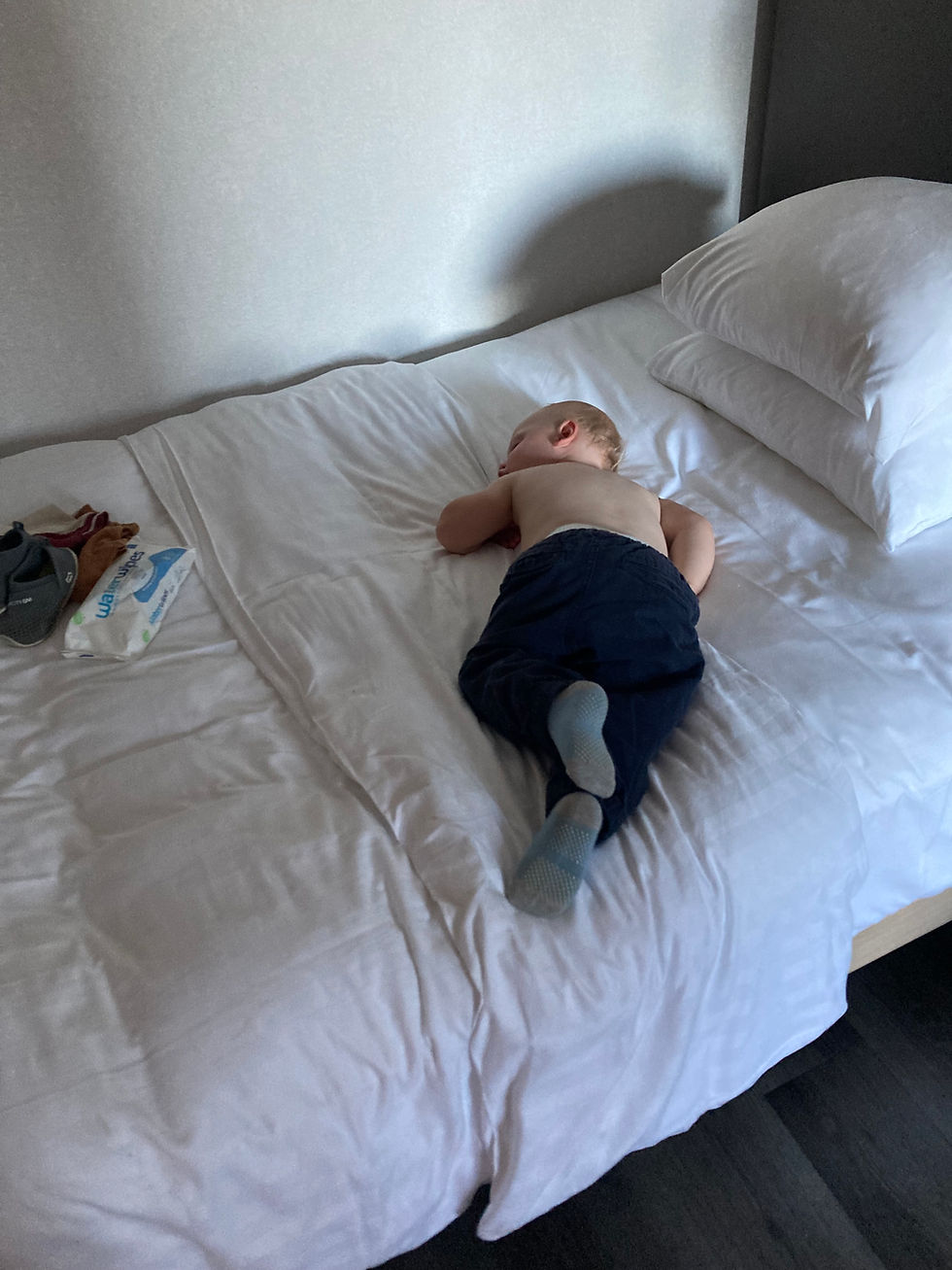
The parents of young children reading this already know the punchline: one bad night won't kill you, and six to eighteen months of fragmented sleep won't either — but you will feel like you're aging in fast forward. The resilience is there. The point is not to test it indefinitely.
3-Point Summary
Sleep has a Goldilocks relationship with mortality — both too little (under seven hours) and too much (over nine hours) are associated with increased all-cause mortality, with the sweet spot for most people in the seven to eight hour range.
Deep sleep drives physical restoration through growth hormone release and tissue repair, while REM sleep supports cognitive longevity through glymphatic clearance and memory consolidation — both phases matter and both are vulnerable to disruption.
Sleep quality remains harder to measure than duration, but core body temperature drop during sleep and a simple "rate of perceived rest" may be among the most useful proxies we currently have.
3 Practical Takeaways
Prioritize regularity before anything else. Consistent bed and wake times — seven days a week — do more for sleep architecture than most interventions. Start there before adding complexity.
Earn your sleep during the day. Move, work, eat intentionally, and do a brief brain dump before bed to clear unresolved thoughts. Good sleep is downstream of a well-lived day.
Get evaluated if you snore or wake unrefreshed. Sleep apnea is under-diagnosed and actively accelerates aging. If you're logging the hours but still feel wrecked, the problem may not be duration — it may be that you're not actually breathing well while you sleep.


Comments